
Stagger your starting times
Most attendees arrive in the first two hours of a major event, which means a single 10am start time turns into a bottleneck by 10:15am. If your event runs from 10am to 2pm, set up separate sessions at 10am, 11am, 12pm and 1pm, each with its own registration cap. This spreads the queue at the gate and makes sure you've got enough staff on the ground at any given moment. Your reminder email tells each family exactly when to arrive.
Automate the 48-hour reminder
A reminder sent two days out cuts down on no-shows and gives families the details they need: time, parking, how early to arrive. Set this up as an automated event reminder once, and it goes out without you lifting a finger. Otherwise, a quick bulk email to your attendee list does the job, something like:
Dear [Parent Name], we are looking forward to meeting you and your family at our [event name] [event date] starting at [session time]. Please arrive 5 to 10 minutes early so we can greet you. Parking and directions are attached. Thank you.
Build a system, not just a plan
A good Open Day runs on a sequence everyone understands: parent checks in, gets a sample bag, is assigned to a tour group, takes the tour, then heads to the enrolments area at the end. A clear sequence means nobody on your team is guessing who's supposed to be handing out what.
Give your tour guides a real story to tell
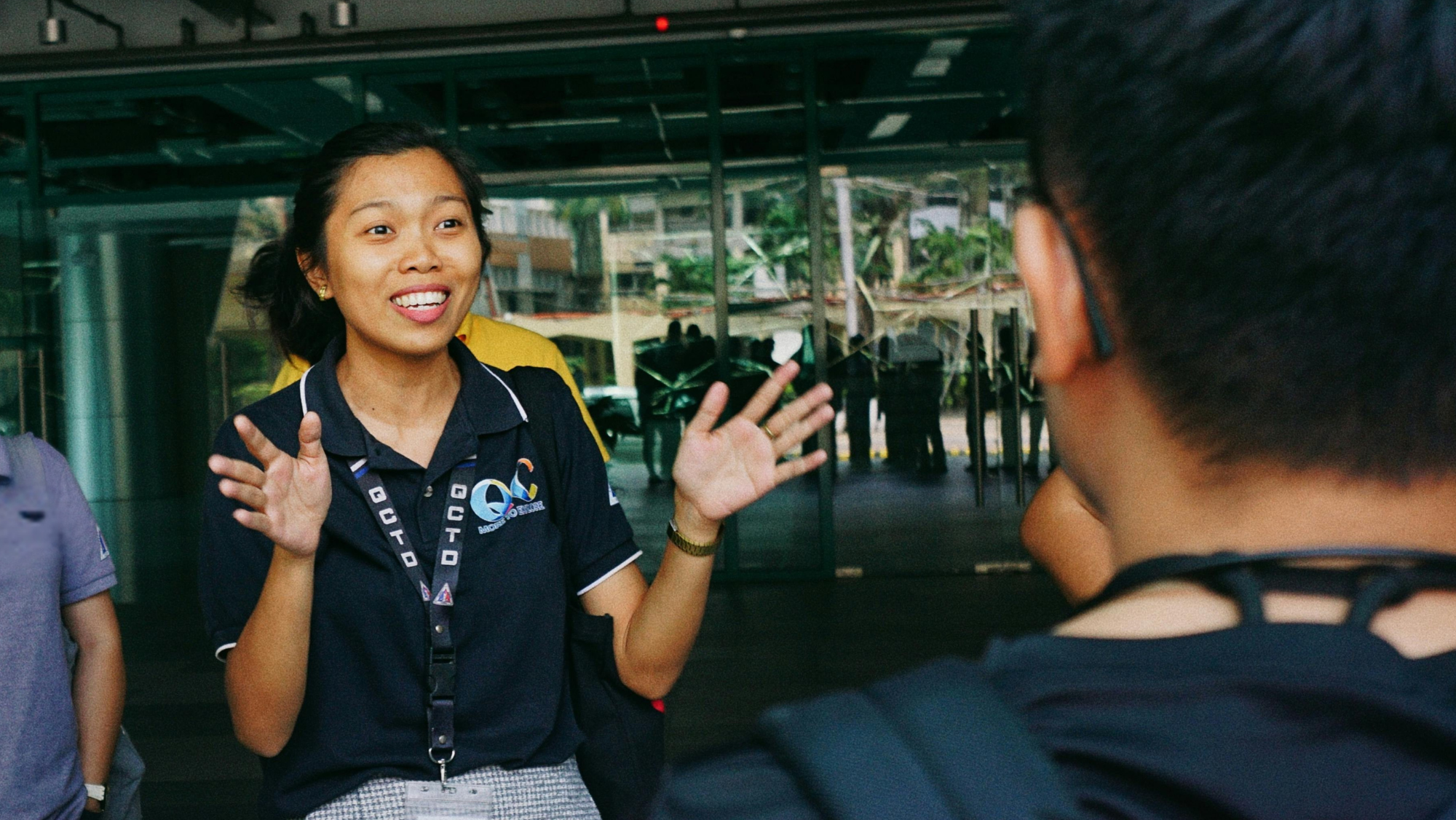
The Open Days people remember are the ones where the tour tells a story, delivered by someone who believes it. If you're using student guides, get them to reference spots around the school that mean something to them personally, and brainstorm those moments together beforehand rather than handing over a generic script.
Cover walk-ins with kiosk check-in
Not everyone will have pre-registered, and you don't want them holding up the queue. Set up three or four devices near the entrance with a kiosk check-in page, or put out a QR code for attendees to scan on their own phone. It should be the same registration form as your website, but it checks the family in on submission instead of sending the usual automated thank-you email. The goal is to get every attendee into the system as soon as they arrive, not after they've decided whether the school is a good fit.
Follow up while it’s still fresh
Follow-up doesn't need to wait until the next morning, it can go out a few hours after the last tour group finishes just as easily as the day after. Either way, segment your attendee list into two groups: those who attended and those who didn't. An Open Day that ends without a follow-up email is a missed enquiry, no matter how good the tour was.
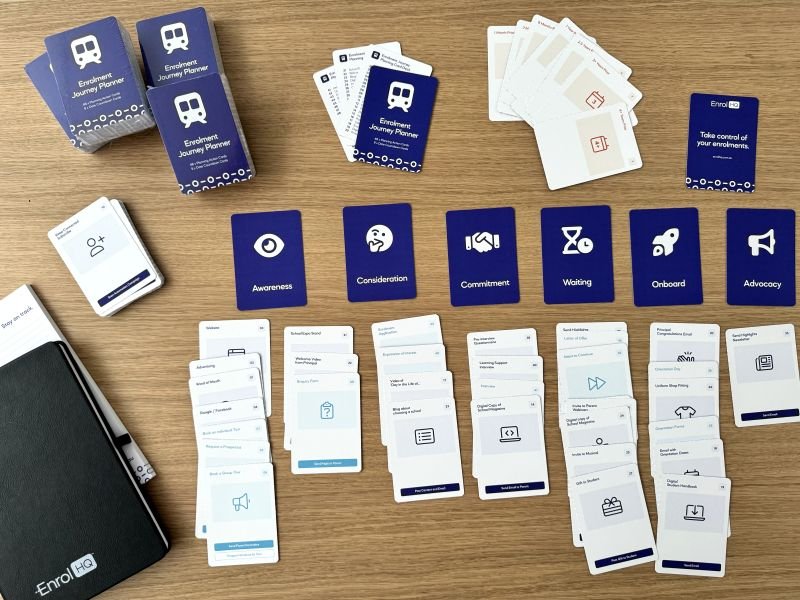
Every one of these steps runs through EnrolHQ. That frees up the time enrolments teams would spend on admin, so it can go where it actually matters on the day: connecting with families.